Bookkeeping for Earthmovers in Queensland
Managing the financial side of your earthmoving business can feel overwhelming. You’re busy handling equipment, projects, and clients, and keeping your books in order might not be your top priority. However, accurate bookkeeping is essential to keep your business running smoothly, stay compliant with tax laws, and make informed decisions. This guide will walk you through everything you need to know about bookkeeping for earthmovers in Queensland, helping you simplify your financial management and focus on what you do best.
Why Bookkeeping for Earthmovers is Crucial
Bookkeeping is the backbone of any successful business, and earthmoving is no exception. Your business involves heavy machinery, fuel costs, labour, and project-based income, all of which need to be tracked carefully. Without proper bookkeeping, you risk missing out on tax deductions, mismanaging cash flow, or even facing penalties from the Australian Taxation Office (ATO).
Here are some key reasons why bookkeeping matters for your earthmoving business:
- Track expenses and income accurately: Knowing where your money goes helps you control costs and improve profitability.
- Simplify tax time: Well-maintained records make it easier to lodge BAS, claim GST credits, and prepare your tax return.
- Manage cash flow: Timely invoicing and expense tracking ensure you have enough funds to cover operational costs.
- Plan for growth: Financial reports give you insights into which projects or services are most profitable.
By keeping your books up to date, you can avoid surprises and make smarter business decisions.

How to Approach Bookkeeping for Earthmovers
Bookkeeping for earthmovers involves more than just recording transactions. You need a system tailored to the unique aspects of your industry. Here’s how you can approach it effectively:
1. Set Up a Dedicated Business Account
Keep your personal and business finances separate by opening a dedicated business bank account. This makes it easier to track income and expenses related to your earthmoving operations.
2. Use Accounting Software
Invest in user-friendly accounting software that suits small to mid-sized businesses. Many platforms offer features like invoicing, expense tracking, and BAS preparation. This will save you time and reduce errors.
3. Track All Expenses
Earthmoving businesses have specific expenses such as:
- Fuel and maintenance for machinery
- Equipment hire or lease payments
- Labour wages and subcontractor fees
- Insurance and permits
- Site costs and materials
Record every expense with receipts or invoices to claim deductions and monitor spending.
4. Invoice Promptly and Clearly
Send invoices as soon as a job is completed. Include clear payment terms and details to encourage timely payments. This helps maintain healthy cash flow.
5. Reconcile Bank Statements Regularly
Match your bank statements with your bookkeeping records monthly. This ensures accuracy and helps identify any discrepancies early.
6. Keep Records for Tax Purposes
The ATO requires you to keep financial records for at least five years. Organise your paperwork digitally or physically to make tax time less stressful.
By following these steps, you’ll build a solid bookkeeping foundation that supports your earthmoving business’s financial health.
Is AI Replacing Bookkeepers?
You might have heard about artificial intelligence (AI) transforming many industries, including bookkeeping. While AI tools can automate routine tasks like data entry and invoice processing, they are not replacing bookkeepers entirely—at least not yet.
Here’s why human bookkeepers remain essential:
- Contextual understanding: AI can process numbers but lacks the ability to understand the nuances of your business operations.
- Personalised advice: A bookkeeper can offer tailored financial advice and help you plan for growth.
- Problem-solving: When discrepancies or complex tax issues arise, a human touch is invaluable.
- Compliance and updates: Bookkeepers stay updated with changing tax laws and regulations, ensuring your business remains compliant.
Instead of replacing bookkeepers, AI is a tool that can help them work more efficiently. You can benefit from AI-powered software while still relying on expert bookkeepers to guide your financial decisions.
Common Bookkeeping Challenges for Earthmovers and How to Overcome Them
Running an earthmoving business comes with unique bookkeeping challenges. Here are some common issues and practical tips to tackle them:
Challenge 1: Managing Multiple Projects
You might be juggling several projects at once, each with different costs and billing arrangements. This can make tracking income and expenses complicated.
Solution: Use project codes or job tracking features in your accounting software. Assign each transaction to a specific project to get clear financial reports per job.
Challenge 2: Tracking Equipment Costs
Heavy machinery requires regular maintenance, repairs, and fuel. These costs can add up quickly and need to be recorded accurately.
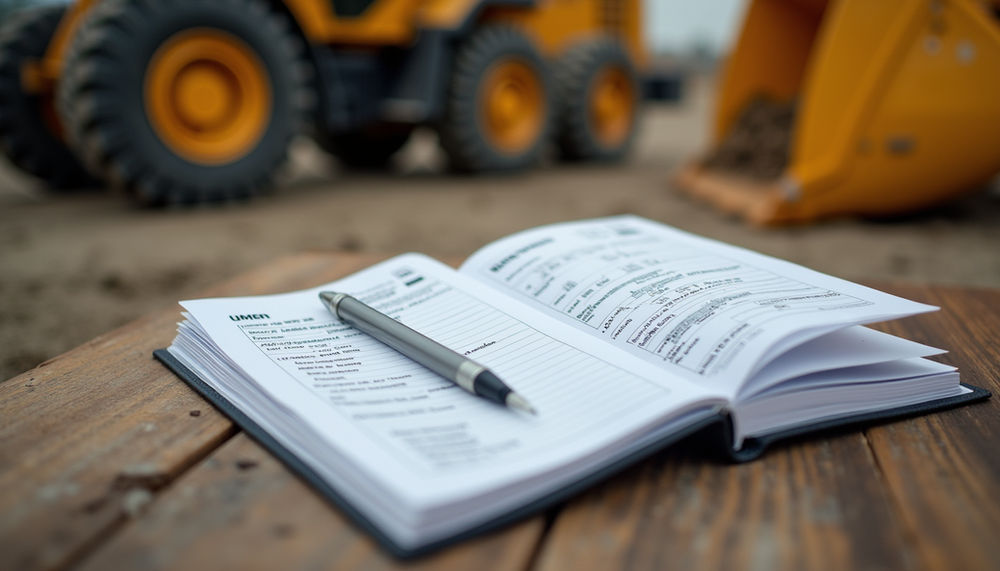
Solution: Maintain a logbook for each piece of equipment. Record all related expenses and allocate depreciation where applicable. This helps you understand the true cost of running your machinery.
Challenge 3: Handling Cash Payments
Sometimes, you might receive cash payments on-site, which can be harder to track.
Solution: Issue receipts for all cash transactions and enter them into your bookkeeping system promptly. Consider using mobile payment options to reduce cash handling.
Challenge 4: Staying on Top of GST and BAS
GST compliance is critical for earthmoving businesses, especially when dealing with subcontractors and suppliers.
Solution: Keep detailed records of GST paid and collected. Use accounting software that automates BAS calculations and lodgement reminders.
Challenge 5: Time Constraints
You’re busy managing operations, so bookkeeping often gets pushed to the bottom of your to-do list.
Solution: Set aside regular time slots weekly or monthly for bookkeeping tasks. Alternatively, consider outsourcing to a professional bookkeeper who understands the earthmoving industry.
How Professional Bookkeeping Services Can Help Your Earthmoving Business
If bookkeeping feels like a burden, you’re not alone. Many earthmoving businesses in Queensland benefit from partnering with professional bookkeepers who specialise in their industry. Here’s how they can support you:
- Save time: Free up your schedule by letting experts handle your financial records.
- Reduce errors: Professional bookkeepers ensure accuracy and compliance.
- Improve cash flow: They help you manage invoicing and payments efficiently.
- Provide financial insights: Get customised reports that highlight profitable projects and cost-saving opportunities.
- Stay compliant: Avoid penalties by meeting all ATO requirements on time.
If you want to explore expert help, consider looking for bookkeeping services that understand the unique needs of earthmovers in Queensland. They can tailor their approach to your business size and goals.
For example, you can find reliable support by searching for bookkeeping for earthmovers qld.
Taking Control of Your Earthmoving Business Finances
Bookkeeping might not be the most exciting part of your earthmoving business, but it’s one of the most important. By staying organised, using the right tools, and seeking professional help when needed, you can reduce stress and focus on growing your business.
Remember these key takeaways:
- Keep your business and personal finances separate.
- Track all income and expenses diligently.
- Use accounting software designed for small businesses.
- Reconcile your accounts regularly.
- Don’t hesitate to get expert advice.
With these steps, you’ll build a strong financial foundation that supports your earthmoving operations across Queensland.
Start today by reviewing your current bookkeeping system and making small improvements. Your future self will thank you!
Ready to simplify your bookkeeping and focus on your earthmoving projects? Reach out to a trusted bookkeeping partner who understands your industry and local market.